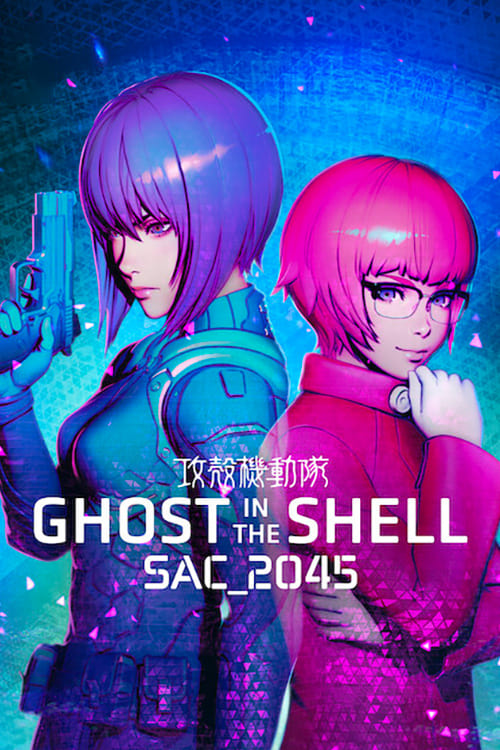
Ghost in the Shell SAC_2045 marks the return of the cyberpunk legend in 3DCG form, sparking hope and concern among fans worldwide. After a long absence, Section 9 returns to a world hit by a financial crisis that has led to a prolonged war driven by AI. Of course, Major Kusanagi and her team must face new cyber threats.
But can this series surpass the shadow of its great original? Let's find out together in this review.
Story Summary (No Spoilers)
After the 'Global Simultaneous Default,' countries fall into a state of 'Sustainable War' primarily using AI and mercenaries. Section 9, led by Major Motoko Kusanagi, must return to duty as mercenaries to deal with a new cyber threat called 'Post-Human' — modified humans with superhuman abilities.
The story unfolds over two interconnected seasons. The first season introduces characters and the situation, while the second intensifies as the mystery of the Post-Humans unravels. Although the series uses a mix of episodic and overarching plots, it retains the philosophical themes about humanity and technology that fans are familiar with.
Performance and Characters
The Japanese voice cast remains the same from the previous series, including Atsuko Tanaka as Major, delivering a firm and cool voice; Akio Otsuka as Batou, warm and humorous; and Koichi Yamadera as Togusa, representing the ordinary human in a team of cyborgs. The voice acting is still high quality, bringing the characters to life.
However, the new characters in this season are not as standout as expected, especially the main villain who seems limited in depth. The character development of Section 9 itself is also relatively shallow compared to previous series, focusing more on plot progression than exploring the characters' inner lives.
Direction, Visuals, and Music
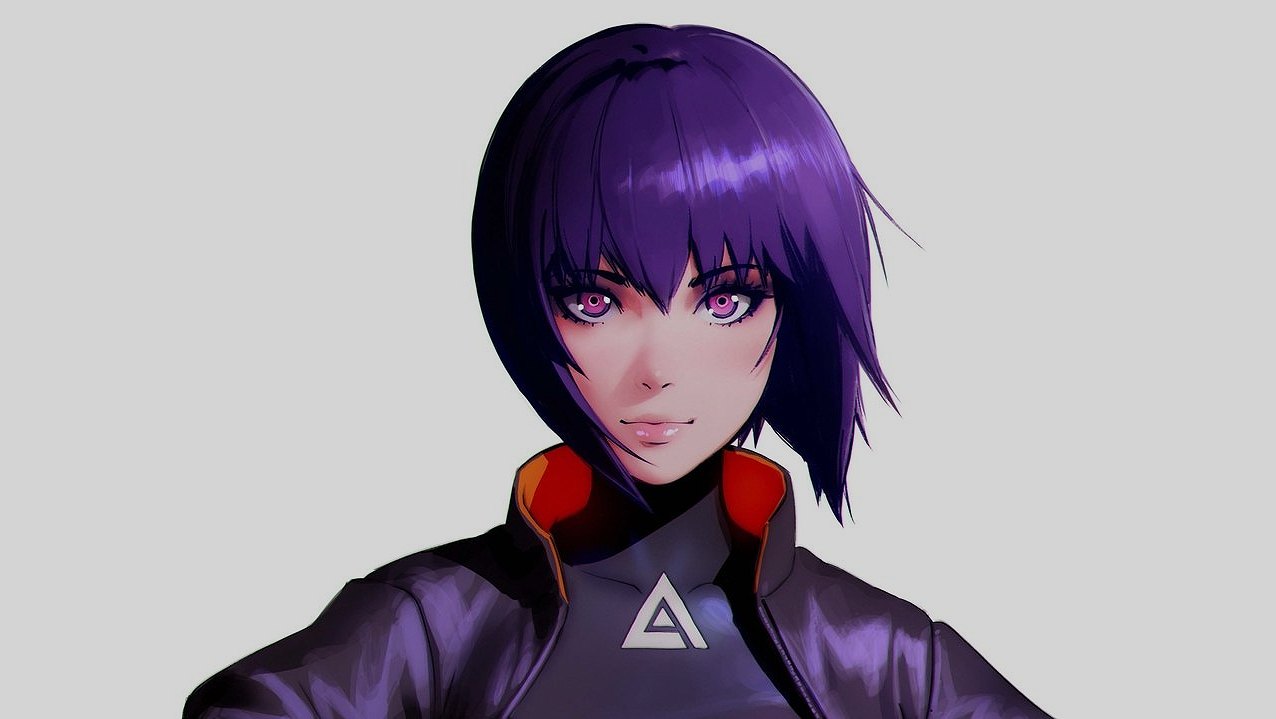
The shift to 3DCG by Production I.G and Sola Digital Arts is a major change. While the movement is fluid, facial details and emotional expressions appear stiff in some scenes, especially unnatural facial expressions compared to traditional 2D.
Action scenes are well-designed, with fast and exciting movements, especially the use of AI in combat. However, lighting and shadows sometimes look unrealistic. The music by Kazuhiro Hara and Keiichi Okabe (Nier Automata) effectively creates a familiar cyberpunk atmosphere, but lacks memorable tracks like Yoko Kanno's OST in the original series.
Editorial Analysis
Ghost in the Shell SAC_2045 tries to adapt to the modern era, both in animation technology and content addressing AI and prolonged war, which reflects today's world well. But what's missing is the 'soul' of the original story, rich with philosophy and questions about human identity.
The series prioritizes action and technology over deep contemplation, which may disappoint old fans slightly. However, it still retains fun and excitement, especially in the second season where the story intensifies. Additionally, the setting where AI is both friend and foe is an interesting and contemporary theme.
Verdict
For hardcore fans of Ghost in the Shell, SAC_2045 may be a bittersweet experience. It retains the fun of cyberpunk action but lacks the philosophical charm that made the original series stand out. However, for those who enjoy new-style sci-fi animation or want to continue from the old series, it's worth watching, especially the second season where the story intensifies.
Screenshots


👍 Pros
- +Smooth and exciting 3DCG action
- +Original Japanese voice cast maintains quality
- +Contemporary themes about AI and sustainable war
👎 Cons
- −3DCG visuals still stiff in some parts, especially emotional expressions
- −Lacks philosophical depth compared to the original
- −New characters are not standout, and main character development is minimal
Top Cast





FAQ
It's recommended to watch Ghost in the Shell: Stand Alone Complex (2002) and 2nd Gig (2004) first, as SAC_2045 is a sequel in the same timeline. But you can understand it even if you watch it directly.
SAC_2045 uses 3DCG graphics instead of traditional 2D, and the story focuses on prolonged war using AI, while previous versions emphasize philosophy and cyber society.
There are 2 seasons, each with 12 episodes, totaling 24 episodes.
Not directly, but it's an original work adapted from the Ghost in the Shell concept, with a framework from Stand Alone Complex.